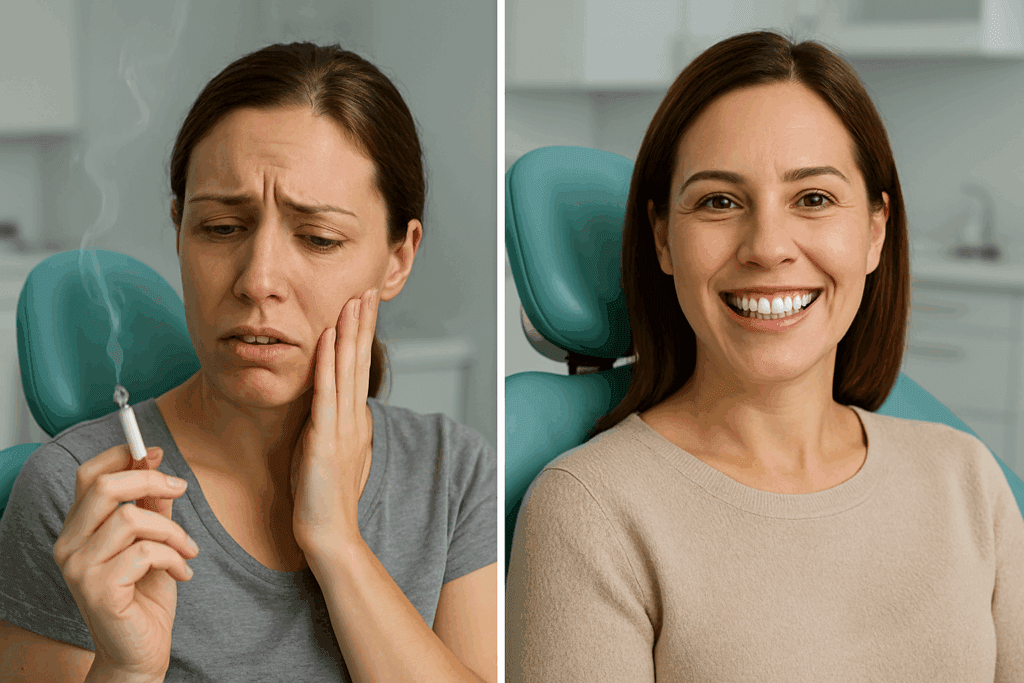
Losing a tooth can significantly impact your confidence, oral health, and overall well-being. Modern dental technology offers effective solutions like dental implants to restore your smile and improve your quality of life, widely considered the best choice for replacing missing teeth due to their durability, functionality, and realistic appearance. Dental implants are artificial tooth roots, usually made of titanium, surgically placed into the jawbone to support replacement teeth such as crowns, bridges, or dentures. With proper care, they can last decades or even a lifetime.
However, for individuals who smoke, the journey toward successful dental implant treatment comes with specific considerations. Smoking is a prevalent habit with various implications for oral health and can seriously affect the success and longevity of dental implant procedures. Understanding how smoking impacts dental implants is crucial for your long-term oral health and the success of your new smile.
The Impact of Smoking on Oral Health
Smoking is widely known to have numerous adverse effects on overall health, including increased risks of lung cancer, stroke, coronary heart disease, and pneumonia. In the oral cavity, smoking negatively impacts the functioning of cells that maintain oral health and repair wounds. Smokers are at a significantly increased risk for various oral health problems, which can be exacerbated without proper care.
Common oral health issues linked to smoking include:
- Gum Disease (Periodontal Disease): Smokers are four times more likely to develop gum disease than non-smokers. This condition occurs when plaque builds up, targeting the tissues supporting your teeth, including the gums, alveolar bone (where teeth are embedded), periodontal ligament, and cementum. Untreated gum disease can lead to serious complications, including tooth loss and damage to the jawbone.
- Tooth Loss: Due to the harmful chemicals in cigarette smoke, smokers are twice as likely to suffer tooth loss compared to non-smokers.
- Oral Cancers and Precancerous Lesions: Smokers are at a higher risk of developing conditions like leukoplakia, which can lead to oral, throat, and lung cancers.
- Delayed Healing: Smoking makes it harder to recover from various dental procedures, including periodontal treatments, tooth extractions, and dental implants. For instance, smokers face a greater risk of developing dry socket after tooth extraction, a condition causing severe pain due to exposed bone and nerve endings.
- Aesthetic Concerns: Smoking leads to an increased and steady buildup of plaque and tartar, making teeth appear less attractive. It also stains teeth and causes persistent bad breath. Some smokers may even develop “black hairy tongue,” where the tongue can become yellow, green, black, or brown and appear hairy due to tobacco use.
- Reduced Taste and Smell: Smokers may experience a loss of sensation in taste and smell.
How Smoking Affects Dental Implants
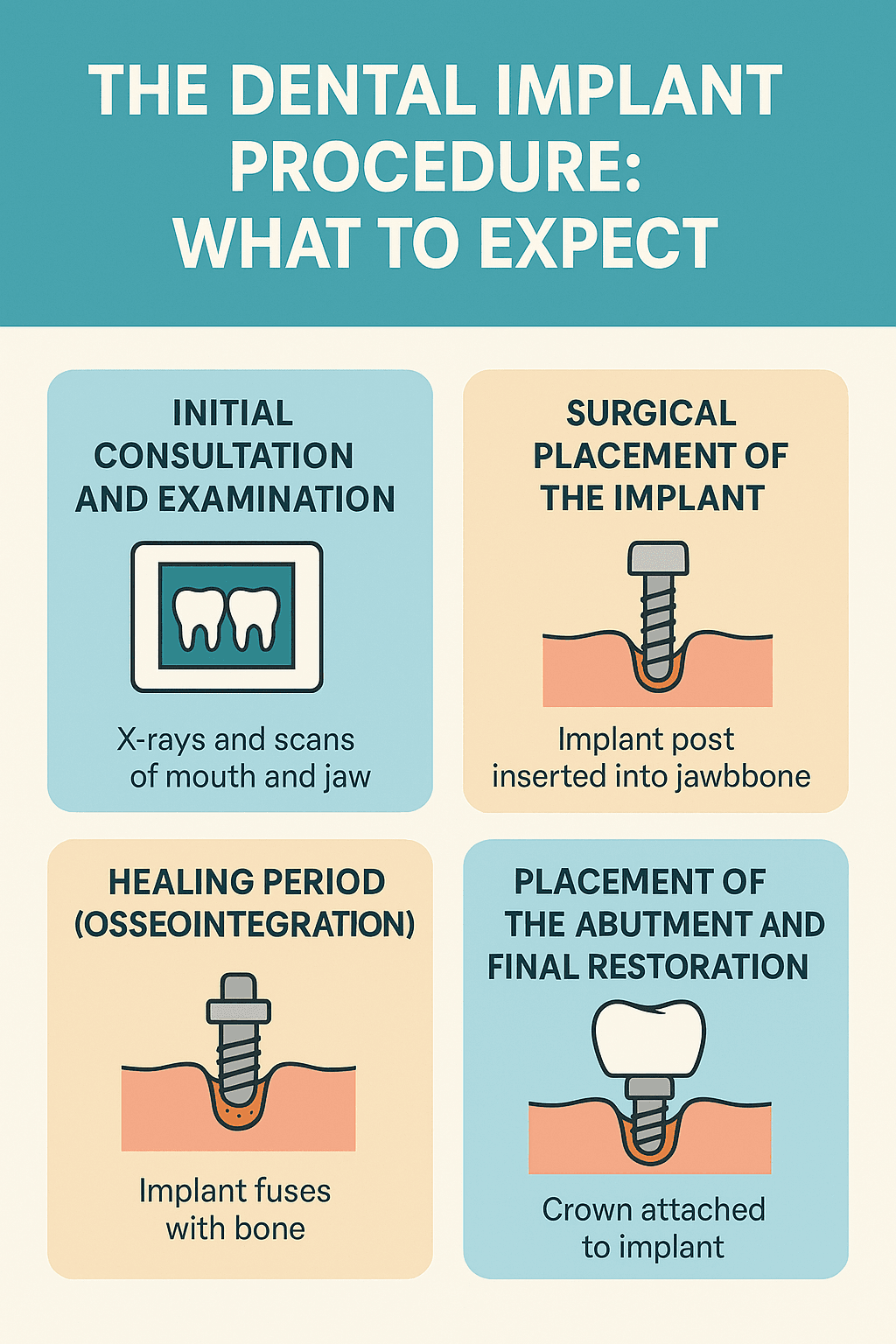
The success of dental implants relies heavily on a process called osseointegration, where the titanium implant post fuses directly with the jawbone, creating a stable foundation for the replacement tooth. Smoking significantly interferes with this crucial process and overall healing.
Here’s how smoking affects dental implants:
- Reduced Blood Flow and Oxygen Supply: Nicotine and other harmful substances in tobacco smoke constrict blood vessels, diminishing blood flow to the gums and jawbone. This reduced supply of oxygen and essential nutrients impairs tissue regeneration and delays the integration of the implant with the surrounding bone.
- Delayed Wound Healing: Smoking inhibits wound healing by constricting blood vessels and reducing oxygen levels in the bloodstream, prolonging the recovery period after surgery and increasing the risk of post-operative complications.
- Weakened Immune System and Increased Infection Risk: Smokers are more susceptible to infections due to a compromised immune response. Following implant surgery, smokers face a higher risk of developing infections around the implant site, which can lead to implant failure if not treated.
- Greater Incidence of Peri-Implantitis: This common complication involves inflammation and bone loss around the dental implant. Smokers are at a greater risk of developing peri-implantitis due to their impaired immune function and reduced capacity for tissue repair, jeopardizing the stability and longevity of implants.
- Compromised Bone Health: Smoking can lead to jawbone loss over time, reducing the bone density required to support implants effectively. Chronic exposure to tobacco smoke exacerbates bone loss around implants, diminishing their structural support and long-term durability. Smoking can also jeopardize the success of bone grafting procedures needed before implant placement.
Scientific Findings and Clinical Concerns
Numerous studies consistently show that smoking significantly increases the risk of dental implant failure. One study, which followed 66 patients with 165 dental implants over five years, found that 15.8% of implants failed in smokers compared to only 1.4% in non-smokers. A comprehensive systematic review and meta-analysis confirmed that implants placed in smokers have a 140.2% higher risk of failure than those in non-smokers. This significant difference was observed for implants placed in both the upper jaw (maxilla) and lower jaw (mandible).
Furthermore, research indicates a direct correlation: an increase in smoking dose appears to correspond directly with an increase in implant failure rate. While one study suggested that smoking less than 10 cigarettes a day might be a “safe level” for dental implant failure, other sources strongly advise that even light smoking can significantly impact implant success and recovery. The negative effects of smoking on implant failures do not fade with time.
Guidance for Smokers Considering Dental Implants
While smoking is a significant risk factor, it does not automatically disqualify you from getting dental implants. However, extra precautions and a strong commitment to your oral health are necessary.
- Quitting or Reducing Smoking: It is strongly advised to quit smoking entirely before and after dental implant surgery to maximize success. Ideally, patients should quit smoking at least one week before and two months after implant placement to allow for early bone healing. Some recommendations suggest refraining from smoking for at least two weeks before and after the procedure to facilitate optimal healing. The critical osseointegration process can take 3-6 months, and it’s best to avoid smoking throughout this period. If quitting cold turkey isn’t possible, reducing smoking frequency can still improve the likelihood of implant success.
- Vaping and E-cigarettes: While vaping is often marketed as a safer alternative, it still poses risks for dental implant success. Nicotine and other chemicals in vaping products can impede healing and increase the likelihood of complications.
- Alternative Tooth Replacement Options: If you are unable or unwilling to quit smoking, your dentist may discuss alternative tooth replacement options, such as removable dentures or implant-supported bridges, which might be more suitable for your situation.
Tips to Improve Implant Success for Smokers
For those considering dental implants while smoking, these practical steps can significantly improve your chances of a successful outcome and long-term stability:
- Commit to Smoking Cessation: This is the most crucial step. Set a quit date, consider nicotine replacement therapy (patches or gum), seek support from cessation programs or support groups, and consult healthcare professionals about prescription medications. Identify and avoid triggers that lead to smoking.
- Maintain Excellent Oral Hygiene: Brush twice daily with a soft-bristled toothbrush and fluoride toothpaste, and floss regularly. Use an antiseptic mouthwash to prevent infection. Professional cleanings are vital to remove plaque and tartar buildup.
- Regular Dental Check-ups: Frequent visits to your dentist are essential to monitor healing and catch any issues early. Smokers should consider more frequent visits.
- Follow Post-Surgery Instructions Diligently: Adhere carefully to all care instructions provided by your dental team to avoid infection or irritation.
- Dietary Modifications: Avoid chewing on the implant site for the first few days and stick to soft, cool foods like soups, mashed potatoes, and smoothies. Gradually reintroduce firmer foods, stopping if discomfort occurs. Avoid hard, sticky, or crunchy foods that could dislodge blood clots or damage the implant.
- Stay Hydrated: Drinking plenty of water helps combat dry mouth and keeps bacteria at bay, also encouraging proper circulation crucial for healing.
- Avoid Strenuous Activity: Limit strenuous physical activity for the first few days after surgery, as it can cause excessive bleeding and delay healing.
- Take Prescribed Medications: If your dentist prescribes pain medication or antibiotics, follow instructions carefully to manage discomfort and prevent infection.
- Manage Stress: Find alternative ways to manage stress that do not involve smoking, such as mindfulness, meditation, physical activity, hobbies, or professional guidance.
Expert Dental Implant Dentists Dubai
At Sofia Smile Clinic, we understand the impact that missing teeth can have and are committed to providing high-quality, personalised dental implant solutions tailored to your unique needs right here in Dubai Silicon Oasis. Our expert team comprises highly skilled dental professionals with extensive experience in implantology and various areas of dentistry, ensuring outstanding results.
We utilise advanced technology and techniques in our treatments, including:
- 3D-Guided Dental Implant Treatment: Our use of 3D scans allows for meticulous planning of implant placement before surgery, significantly decreasing surgery time and improving patient recovery.
- Comprehensive Services: Beyond implants, we offer a full range of services from general and aesthetic dentistry to digital and pediatric dentistry, as well as root canal treatments and gum treatments, ensuring seamless and coordinated care under one roof. This includes advanced services like Same-Day Dental Crowns, often designed and fabricated on-site using CAD/CAM technology.
- Patient-Centered Approach: Your comfort and well-being are our top priorities. We strive to create a welcoming, relaxed, and anxiety-free environment, addressing concerns about pain, treatment timelines, and aesthetic outcomes. We also embrace laser dentistry as a minimally invasive and virtually pain-free alternative for many procedures, enhancing comfort and precision.
Take the First Step Towards a Healthier Smile!
Don’t let missing teeth or concerns about smoking impact your confidence or oral health any longer. Dental implants offer a durable, functional, and natural-looking solution that can truly be life-changing. While the decision to undergo dental implant treatment is a personal one, understanding the risks associated with smoking and committing to a healthier lifestyle can significantly improve your chances of long-term success.
Our expert team at Sofia Smile Clinic in Dubai is here to guide you. We will answer your questions, evaluate your oral health, and develop a customised treatment plan tailored to your unique needs and lifestyle, helping you regain your complete, healthy, and confident smile.
Book your dental implant consultation today and discover how dental implants can restore your ability to eat, speak, and smile with ease.
Schedule your consultation with our expert implant dentists in Dubai Silicon Oasis:
- Book Online: Visit our website to arrange your appointment.
- Call or WhatsApp: Contact us directly at +971 4 576 33 66 or +971 588 866 756. Our team is ready to assist you.
- Visit Us: Find us at Office 1602, Palace Towers, Dubai Silicon Oasis, United Arab Emirates.
We look forward to welcoming you to Sofia Smile Clinic and helping you achieve the lasting smile you deserve!